
Moving to Myrtle Beach, SC? 10 Relocation Mistakes Nobody Warns You About
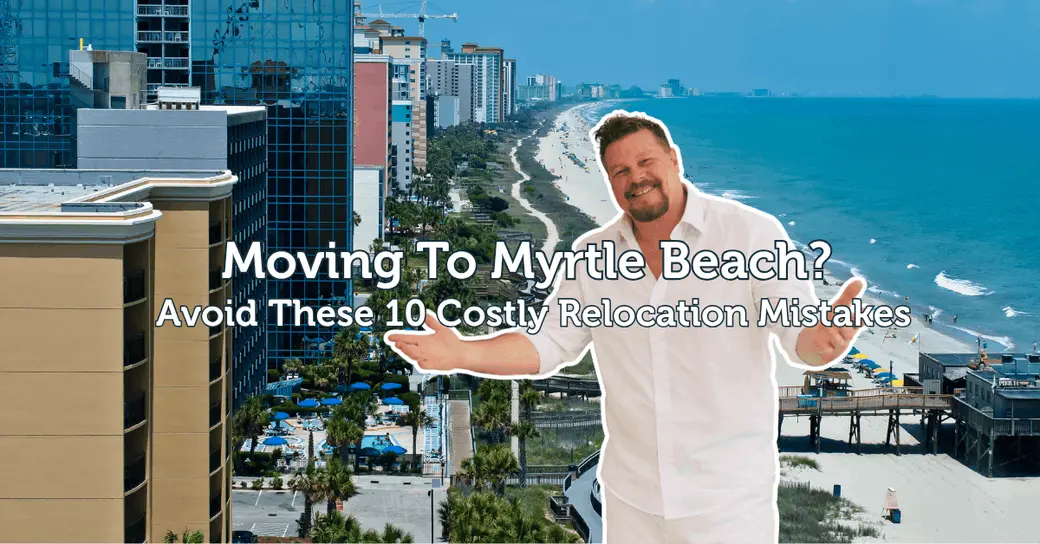
The Myrtle Beach Relocation Mistakes Nobody Warns You About Until After You Move
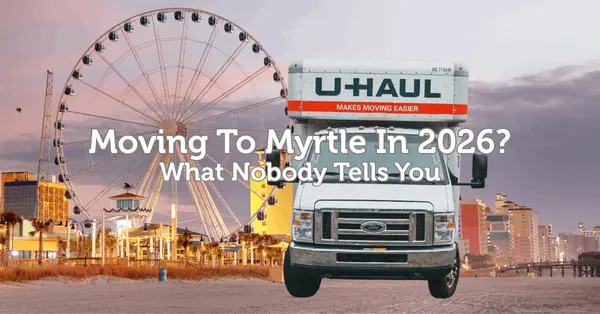
If you're thinking about moving to Myrtle Beach, South Carolina, you're not alone.
Every year thousands of people relocate to the Grand Strand looking for warmer weather, lower taxes, a slower pace of life, and a chance to be near the ocean without paying Florida prices.
And honestly, most of them end up happy they made the move.
But after helping buyers relocate to Myrtle Beach from New York, New Jersey, Pennsylvania, Connecticut, Ohio, and dozens of other states, I've noticed something interesting:
The people who struggle after they move here usually don't buy the wrong house.
They buy in the wrong area, underestimate a few local realities, or make decisions based on what they experienced during a vacation instead of what daily life is actually like.
Here are some of the biggest relocation mistakes I see.
Mistake #1: Treating a Vacation Spot Like a Place You'll Live Every Day
This is probably the biggest one.
Most people first experience Myrtle Beach while they're on vacation.
The weather is great.
They're staying near the ocean.
They're eating out every night.
Traffic isn't really a concern because they're off work.
Everything feels relaxed.
Then they move here and discover they aren't on vacation anymore.
Now they're driving to appointments, grocery shopping, picking up prescriptions, visiting doctors, getting the car serviced, and doing all the things normal life requires.
The question isn't whether you love Myrtle Beach for a week.
The question is whether you'll love your specific neighborhood for the other 51 weeks of the year.
Mistake #2: Choosing a Home Before Choosing an Area
I tell people this all the time:
You can change almost everything about a house.
You can't change where it's located.
Many buyers spend weeks looking at homes before they spend a few hours learning the different areas of the Grand Strand.
But the differences between communities can be huge.
Someone who loves Market Common may hate Carolina Forest.
Someone looking in North Myrtle Beach might be much happier in Murrells Inlet.
A buyer focused on golf communities might eventually discover Barefoot Resort is a much better fit than where they originally started.
The house matters.
But the lifestyle matters more.
Mistake #3: Not Understanding Summer Traffic
Here's the truth.
Most locals don't complain about traffic because traffic exists.
They complain because they know exactly when and where it happens.
The Grand Strand's population has grown dramatically over the last decade.
Add millions of annual visitors and traffic patterns become a real part of daily life.
The difference between living five minutes from Highway 31 and twenty minutes from Highway 31 can have a noticeable impact on your daily routine.
This doesn't mean traffic is terrible everywhere.
It means understanding where you're buying matters.
Mistake #4: Assuming Every Myrtle Beach Address Feels The Same
Many people are surprised by how different the communities are.
Market Common feels different from Carolina Forest.
Murrells Inlet feels different from North Myrtle Beach.
Pawleys Island feels different from Conway.
Grande Dunes feels different from almost everything else.
You can drive fifteen minutes and feel like you're in a completely different town.
That's actually one of the best things about the area.
But it's also why choosing the right location matters so much.
Mistake #5: Not Researching Property Taxes Properly
South Carolina property taxes are often lower than what many buyers are used to paying in northern states.
But there is one detail many people miss.
Primary residences and second homes are taxed differently.
If you're relocating permanently, you may qualify for South Carolina's legal residence tax rate after meeting the state's requirements.
Understanding how this works before buying can help avoid confusion later.
Mistake #6: Underestimating Insurance Costs
A lot of relocation articles talk about home prices.
Far fewer talk about insurance.
Depending on the property, location, age of the home, roof condition, distance from the ocean, and several other factors, insurance costs can vary dramatically.
I've seen two homes with similar prices have significantly different insurance quotes.
That's why I always recommend getting insurance estimates early in the process rather than waiting until the last minute.
Mistake #7: Ignoring Flood Zones Until It's Too Late
A flood zone doesn't automatically mean a bad property.
In fact, some beautiful homes throughout the Grand Strand are located in flood zones.
The mistake is not understanding what the flood designation means before making an offer.
Flood insurance requirements, costs, elevation, and future resale considerations should all be part of the conversation.
The goal isn't to avoid flood zones.
The goal is to understand them.
Mistake #8: Focusing Only on the Ocean
This one surprises people.
Some of the happiest homeowners I know don't live anywhere near the ocean.
Many buyers initially search for oceanfront property and eventually decide they prefer:
-
Larger homes
-
Lower insurance costs
-
Newer construction
-
More yard space
-
Less congestion
Areas like Carolina Forest, Conway, and parts of the western Grand Strand continue to attract buyers for exactly those reasons.
Sometimes the best fit isn't where you originally thought it would be.
Mistake #9: Assuming New Construction Means No Problems
New construction can be a fantastic option.
But new doesn't mean perfect.
Every home should be evaluated carefully.
I've walked plenty of new construction homes where the issues had nothing to do with countertops or paint colors.
Drainage, grading, doors, windows, mechanical systems, and workmanship matter just as much.
A smart buyer looks beyond the finishes.
Mistake #10: Waiting Too Long To Talk With a Local Expert
Most buyers spend months researching online.
That's understandable.
The problem is that Google, YouTube, Facebook groups, and AI tools can only provide general information.
What they can't do is tell you whether a specific community, neighborhood, street, builder, HOA, flood zone, or location actually fits your goals.
Sometimes a fifteen-minute conversation can save months of confusion.
My Local Take
After helping people relocate to Myrtle Beach for years, I've come to one conclusion.
The biggest mistake isn't buying the wrong house.
It's building your entire search around the house before you fully understand the lifestyle you want.
The buyers who end up happiest are usually the ones who spend as much time choosing their location as they do choosing their home.
And once they get that part right, everything else becomes a lot easier.
Over the years I've helped buyers relocate from New York, New Jersey, Pennsylvania, Connecticut, Ohio, Michigan, Massachusetts, and dozens of other states.
The buyers who end up happiest aren't necessarily the ones who buy the biggest house or spend the most money.
They're usually the ones who take the time to understand how the different areas of the Grand Strand actually fit the lifestyle they're looking for.
Frequently Asked Questions About Moving to Myrtle Beach
Is Myrtle Beach a good place to retire?
For many retirees, yes. The area offers a mild climate, golf, beaches, restaurants, healthcare options, and a wide variety of housing choices.
What is the biggest downside to living in Myrtle Beach?
For some people, it's summer traffic and tourism. For others, it's insurance costs. The answer depends on your priorities and where you choose to live.
Is Carolina Forest better than Market Common?
Neither is objectively better. They offer very different lifestyles. Carolina Forest tends to appeal to buyers wanting more space, while Market Common attracts people looking for walkability and convenience.
Are flood zones a deal breaker?
Not necessarily. Many buyers purchase homes in flood zones. The key is understanding insurance requirements, elevation, and long-term implications before making a decision.
How far from the beach should I live?
That depends on your lifestyle, budget, insurance considerations, and daily routine. Many full-time residents choose to live several miles inland and visit the beach when they want to.
Additional Questions About Moving to Myrtle Beach
What salary do you need to live comfortably in Myrtle Beach?
The answer depends on housing costs, lifestyle, insurance expenses, and whether you're working remotely or retiring. Many relocators find their income stretches further than in high-cost northeastern states.
Is Myrtle Beach overcrowded?
During peak tourist season, certain areas become busy. However, many full-time residents live in communities that feel surprisingly residential and removed from the tourist corridors.
Are homeowners insurance costs high in Myrtle Beach?
Insurance costs can be higher than some inland markets due to coastal weather exposure. Rates vary significantly based on location, age of the home, roof condition, and carrier.
Is Myrtle Beach growing?
Yes. Myrtle Beach and the Grand Strand have consistently ranked among the fastest-growing regions in the United States, attracting retirees, remote workers, and relocating families.
What areas do locals prefer around Myrtle Beach?
Popular areas include Carolina Forest, Market Common, Murrells Inlet, North Myrtle Beach, Conway, Pawleys Island, Barefoot Resort, and Grande Dunes.
Thinking About Moving to Myrtle Beach?
If you're trying to figure out which part of the Grand Strand fits your lifestyle, I'd be happy to help.
I'm Bigg Lloyd Dotson with LPT Realty, and I help people buy and sell homes throughout Myrtle Beach, North Myrtle Beach, Murrells Inlet, Conway, Pawleys Island, Carolina Forest, Market Common, and the surrounding Grand Strand.
Call or text me at 833-ASK-BIGG if you'd like to talk through your plans.
You May Also Find These Helpful
- Cost of Living in Myrtle Beach in 2026
- Myrtle Beach vs North Myrtle Beach: Which Is Better?
- Best Places to Live Near Myrtle Beach
- Understanding Flood Zones in Myrtle Beach
- Carolina Forest vs Market Common
- Murrells Inlet Relocation Guide
About Bigg Lloyd Dotson
Bigg Lloyd Dotson is a Myrtle Beach real estate agent with LPT Realty who helps buyers, sellers, retirees, and relocating families throughout Myrtle Beach, North Myrtle Beach, Murrells Inlet, Carolina Forest, Conway, Pawleys Island, Market Common, Barefoot Resort, and the surrounding Grand Strand.
Through his website, podcast, YouTube channel, and local market insights, Bigg helps people make smarter real estate decisions when moving to coastal South Carolina.
Thinking about relocating?
Call or text 833-ASK-BIGG.
Categories
Recent Posts

"If you’re thinking about buying or selling and want a little more clarity, this is simply a way to start the conversation. I’ll take the time to understand what you’re looking for, answer your questions honestly, and help you decide what makes sense for you — no pressure, no sales pitch. "
GET MORE INFORMATION